Contact Us Directly
Contact Us Directly
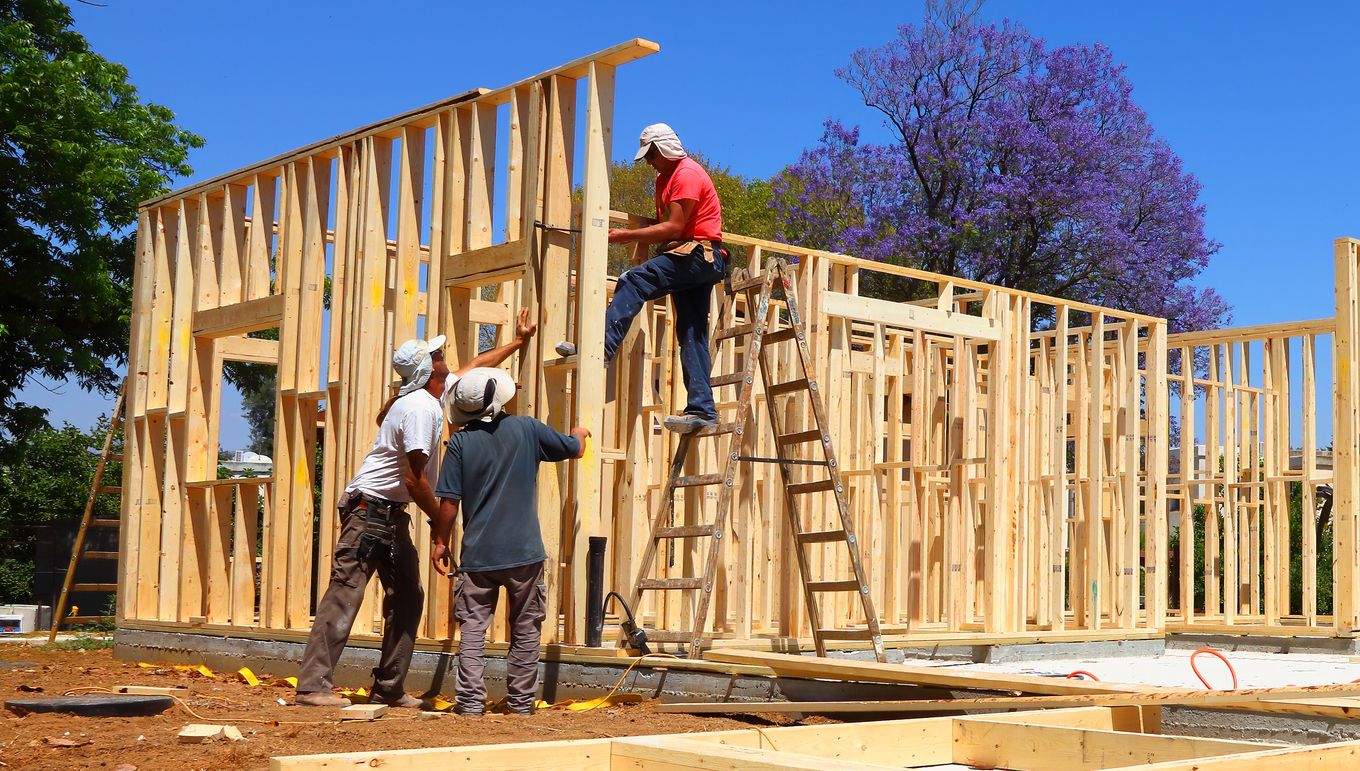
The one big beautiful bill act (obbba) is shaking up how residential contractors manage their books and cash flow. These new rules give builders and subs real flexibility on when to report income, which matters a lot when you’re trying to keep your finances steady through months-long projects.
In an industry where you’re tying up capital in materials and labor for months at a time, even modest shifts in tax rules can create real opportunities. The obbba tax changes let contractors better match their income reporting with actual project completion, making it easier to plan resources and manage working capital.
Contractors have long dealt with the percentage-of-completion method, where you recognize income as the job progresses—even if you haven’t been paid yet. It could create tax headaches during the build phase.
Now the one big beautiful bill act (obbba) opens the door wider for the completed contract method. Under this approach, you defer income recognition until the project is substantially finished. For residential contractors, this timing shift can ease immediate tax pressure and help preserve cash during active construction phases.
Rules change fast, and staying compliant matters. Most contractors I work with tell me they appreciate partnering with professionals who specialize in tax planning services and help you work through new requirements while keeping everything squared away legally.
Building homes requires heavy upfront spending—materials, equipment, labor, permits. The ability to push income recognition to project completion provides:
When your tax bill matches actual cash receipts, you get breathing room during those expensive early months. This becomes especially valuable when juggling several jobs at once.
Experienced advisors who provide business accounting services understand construction specific challenges and help contractors implement these strategies correctly while avoiding compliance pitfalls.
It’s not just the general contractors cashing in—plumbers, electricians, and other subs are finding real advantages too. Electricians, plumbers, framers, and specialty trades often qualify if their work supports residential projects.
Before, the completed contract method was limited to very specific home-building scenarios. The new rules expand eligibility to include:
This broader reach creates fresh planning opportunities throughout the residential construction world. Companies that adjust their reporting early can gain real financial edges.
These obbba tax changes aren’t just paperwork—they let you run your business smarter. Here’s what contractors are seeing:
If you’re taking on bigger projects or growing your crew, this flexibility makes a real difference.
Smart contractors I know are talking with advisors who offer business consultation services and truly understand construction—they’ll check if you qualify, review your project setup, and build a plan that actually fits your operation.
No two construction companies work the same. The key is figuring out how these rules apply to your jobs. Get it right, and you stay compliant while grabbing every advantage.
Construction keeps changing, and staying ahead on taxes is just smart business now. Guys who figure out the one big beautiful bill act opportunities end up with better cash flow, less headache, and room to grow strategically.
The flexibility to align taxes with actual project cash flow can be a game-changer for residential builders and trades at every level.
Each year, Georgia business owners are required to file an annual registration with the Georgia Secretary of State. Unfortunately, some companies send official-looking letters and…Read More
When it comes to running a successful small business, few things are more important than keeping your finances in order. Whether you’re just getting started…Read More
 (770) 451-1360
  Client Login
 Feb 10, 2026